
A Deep Dive into the Technologies, Services, and Strategies Shaping Tomorrow’s Cloud
Introduction
Cloud computing has fundamentally transformed how businesses operate, innovate, and scale. What began as a simple idea, renting computing power over the internet, has evolved into a vast ecosystem of infrastructure, intelligent services, and globally distributed platforms.
At the center of this revolution is Amazon Web Services (AWS), the world’s most comprehensive and widely adopted cloud platform.
Since its commercial launch in 2006, AWS has not simply followed industry trends; it has defined them. From pioneering Infrastructure-as-a-Service to driving innovation in artificial intelligence, edge computing, and serverless architectures, AWS continues to set the benchmark for what modern cloud platforms can achieve.
In this article, we explore the evolution of cloud computing, the technologies shaping its future, and how AWS is positioning organizations to lead in a rapidly changing digital world.
Market Snapshot
Cloud computing continues to grow at an extraordinary pace. Industry analysts estimate the global cloud market will exceed $1.2 trillion in revenue by 2028, with AWS maintaining approximately 31% global market share. Organizations across nearly every industry now rely on cloud infrastructure to power innovation, digital products, and large-scale data processing.
The Current State of Cloud Computing
Cloud computing has moved far beyond experimentation. Today, it forms the backbone of modern digital infrastructure.
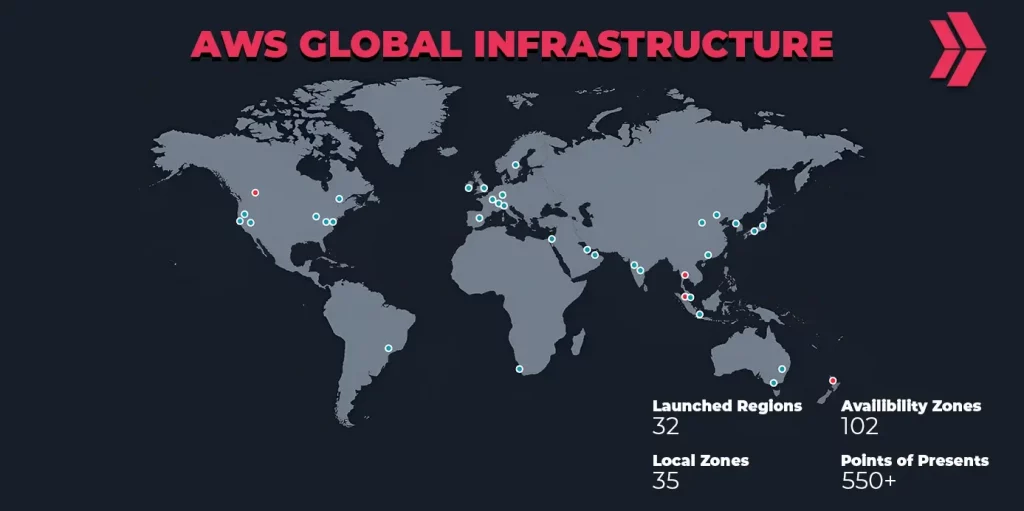
More than 90% of enterprises now use cloud services, and many organizations operate in hybrid or multi-cloud environments. AWS currently offers 200+ fully featured services and supports millions of customers across 245 countries and territories.
AWS Global Infrastructure
What Has Driven Cloud Adoption?
Several factors continue to accelerate cloud adoption:
- Cost Efficiency: Organizations move from expensive hardware investments to flexible operational spending models.
- Scalability: Applications can scale instantly to meet user demand.
- Global Reach: Companies can deploy services worldwide within minutes.
- Innovation Speed: Developers gain instant access to advanced technologies, including AI, analytics, and IoT.
- Resilience: Cloud infrastructure includes built-in redundancy and disaster recovery systems.
Key Trends Defining the Future of Cloud
Several emerging technologies are shaping the next era of cloud computing — and AWS is actively investing in each of them.
Artificial Intelligence and Machine Learning
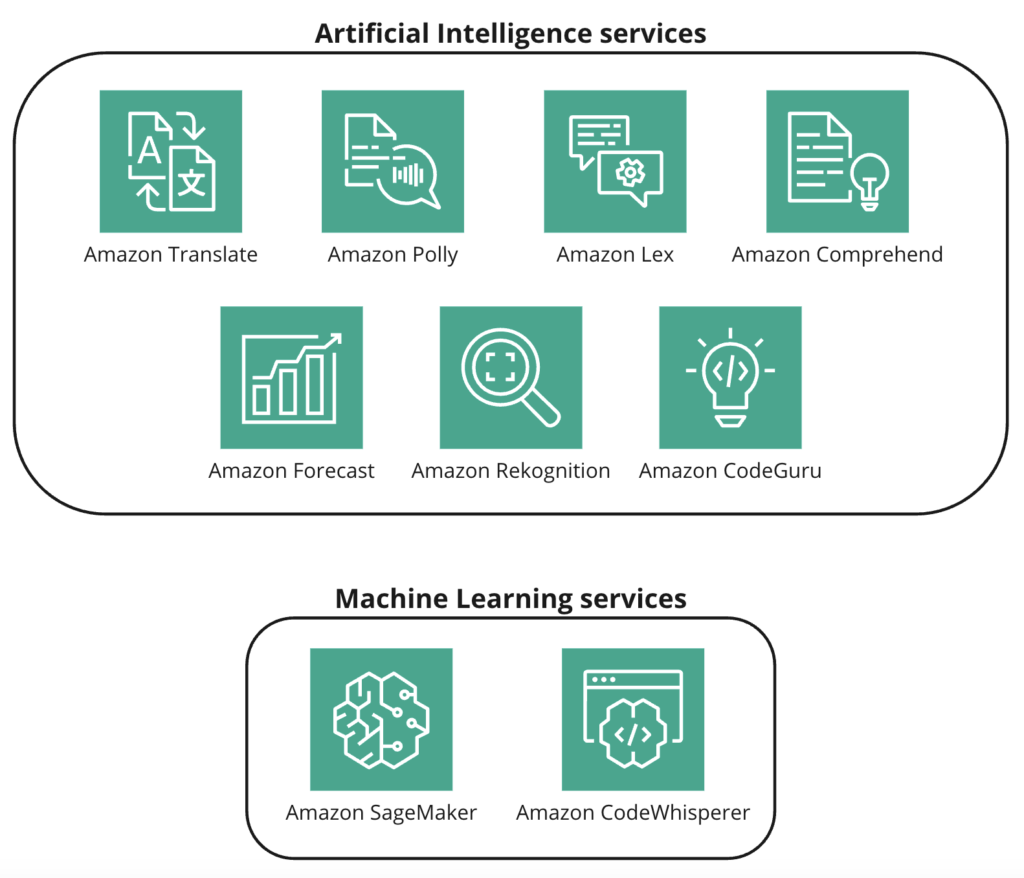
Artificial intelligence is rapidly becoming embedded in cloud infrastructure. AWS provides powerful AI capabilities through services such as:
- Amazon SageMaker
- Amazon Bedrock
- AWS Inferentia
- AWS Trainium
These technologies allow businesses to build intelligent applications, train machine learning models, and deploy predictive systems at scale. The next generation of applications will be AI-native, meaning artificial intelligence will be embedded directly into the architecture of software systems.
Serverless Computing and AWS Lambda
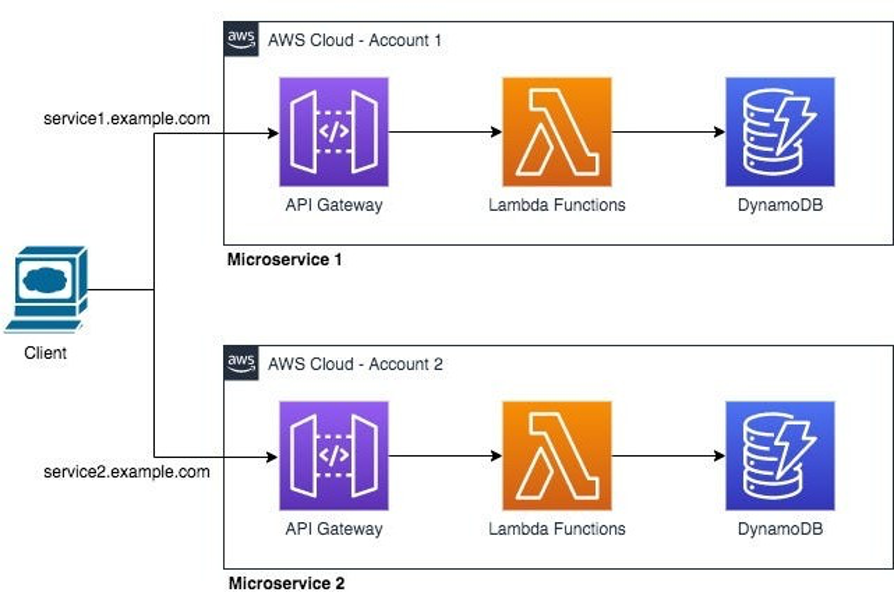
Serverless computing is transforming how modern applications are developed. Using AWS Lambda, developers can run code without provisioning or managing servers. AWS automatically handles scaling, infrastructure maintenance, and resource allocation.
Benefits include:
- Faster application development
- Reduced operational complexity
- Automatic scaling
- Lower infrastructure management costs
Serverless architectures are rapidly becoming the default approach for modern cloud applications.
Cloud Security and Zero Trust Architecture
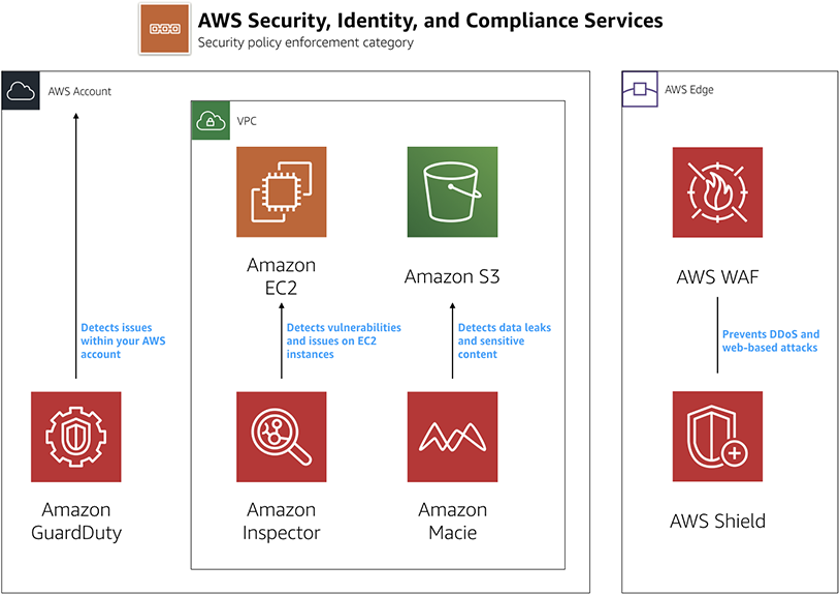
Security remains a top priority in cloud computing. AWS provides advanced security tools including:
- AWS Shield
- AWS WAF
- Amazon GuardDuty
- AWS Security Hub
- AWS Identity and Access Management
These services help organizations implement Zero Trust security frameworks, where every user and system must be verified before accessing resources.
Edge Computing and Distributed Cloud
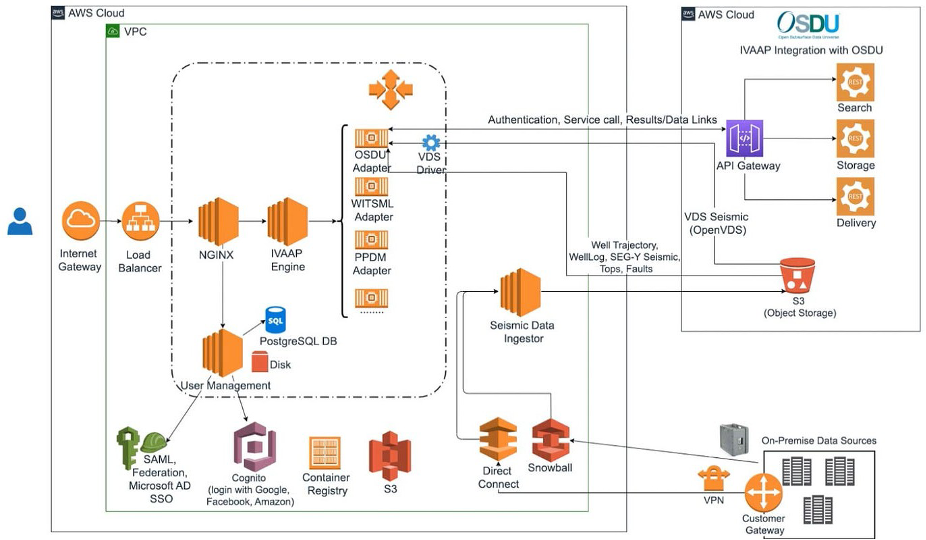
As real-time applications, IoT devices, and connected systems expand, computing must move closer to where data is generated. AWS enables this shift through services such as:
- AWS Outposts
- AWS Wavelength
- AWS Local Zones
These technologies extend AWS infrastructure beyond centralized data centers to support ultra-low latency workloads.
Quantum Computing in the Cloud
Quantum computing represents one of the most exciting frontiers in cloud technology. Through Amazon Braket, AWS allows developers and researchers to experiment with quantum algorithms without owning specialized hardware. Quantum computing may eventually revolutionize industries such as:
- Pharmaceutical research
- Financial modeling
- Cryptography
- Logistics optimization
How AWS Continues to Lead the Cloud Industry
AWS maintains its leadership position through several key advantages.
Global Infrastructure
AWS operates one of the largest cloud infrastructures in the world:
- 33 geographic regions
- 105 availability zones
- 600+ edge locations
This global network ensures low latency and high reliability for applications worldwide.
The AWS Partner Ecosystem
The AWS Partner Network includes more than 100,000 global partners, helping organizations accelerate cloud adoption and solve complex technology challenges.
Customer-Driven Innovation
AWS follows Amazon’s philosophy of “working backwards from the customer.” Many AWS services were created to solve real customer problems, resulting in highly practical, production-ready solutions.
Sustainability
As part of The Climate Pledge, Amazon has committed to achieving net-zero carbon emissions by 2040 and powering operations with 100% renewable energy. AWS also provides tools that allow customers to measure and reduce their environmental impact.
What This Means for Businesses
The evolution of cloud technology has several implications for organizations:
- Prepare data infrastructure for AI innovation
- Adopt cloud-native architectures
- Implement cost governance strategies
- Invest in cloud skills and certifications
- Build globally scalable applications
Companies that invest in cloud capabilities today will be better positioned to compete in the digital economy.
Conclusion
Cloud computing is no longer simply an IT infrastructure decision — it has become a strategic foundation for innovation and growth. As artificial intelligence, edge computing, and quantum technologies continue to evolve, organizations with strong cloud foundations will lead the next wave of digital transformation.
With its unmatched infrastructure, innovation culture, and global ecosystem, Amazon Web Services continues to shape the future of cloud computing. The next generation of technology will be intelligent, scalable, and cloud-native and AWS is leading the way.